Tag: Tactical

Tactical games are usually turn-based and often use a grid for movement.

  • King Arthur Knight’s Tale maps

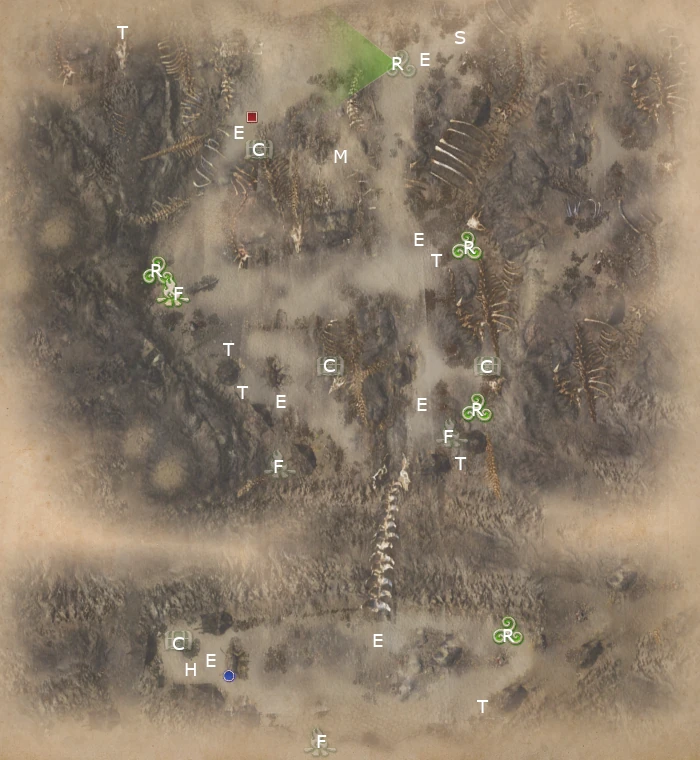
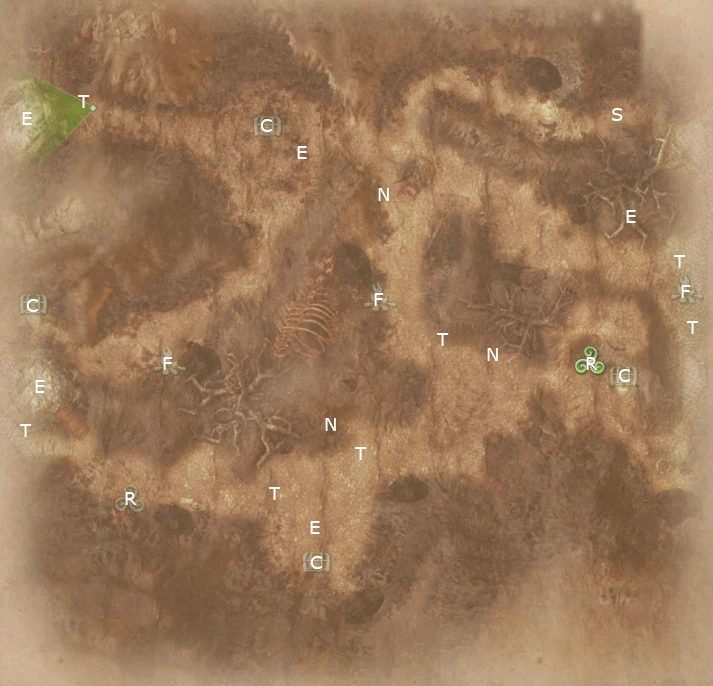
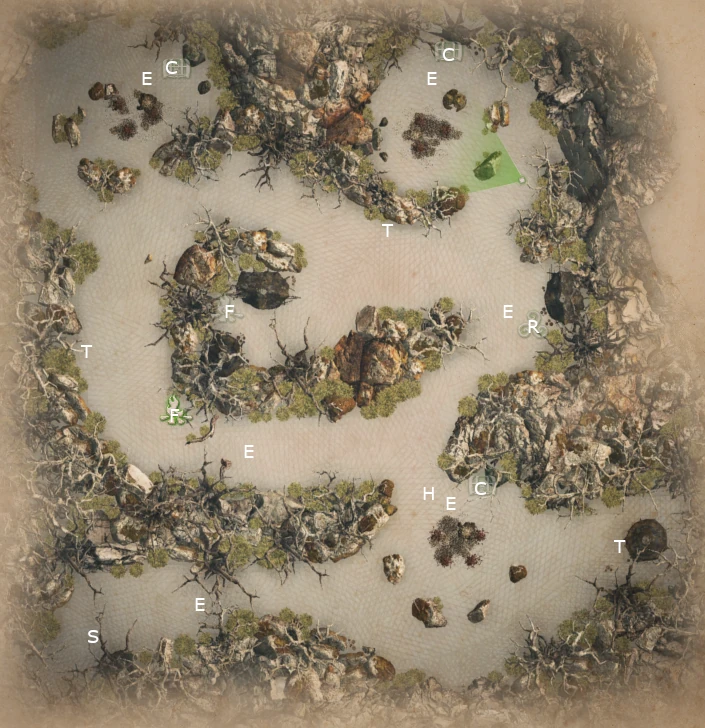
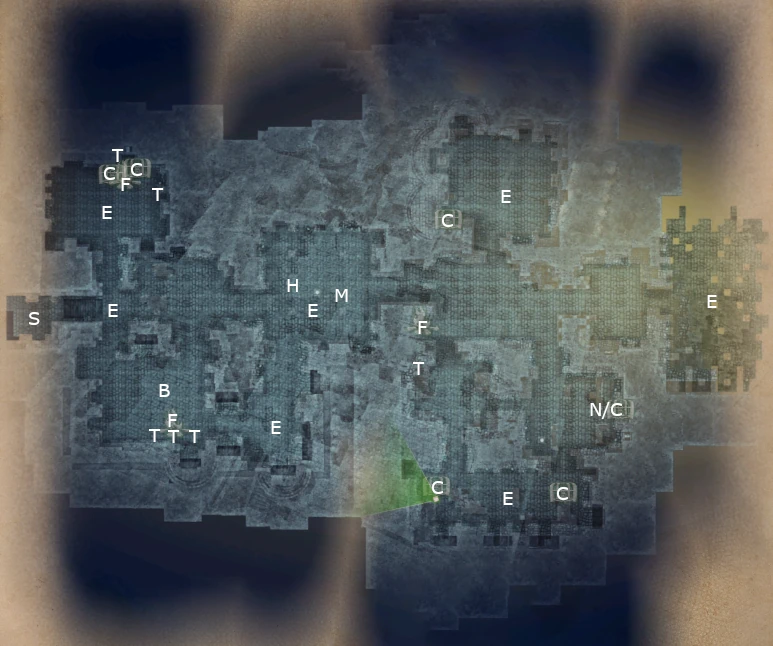
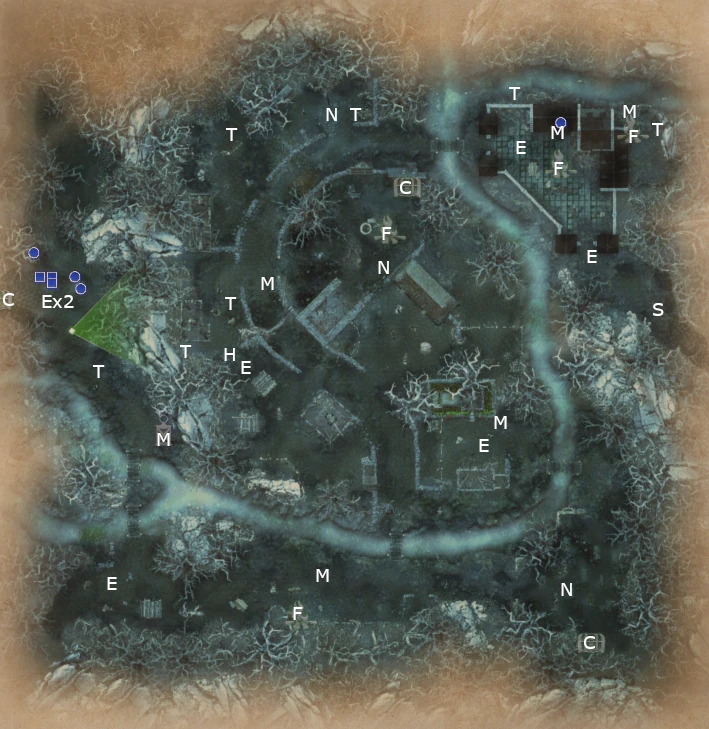
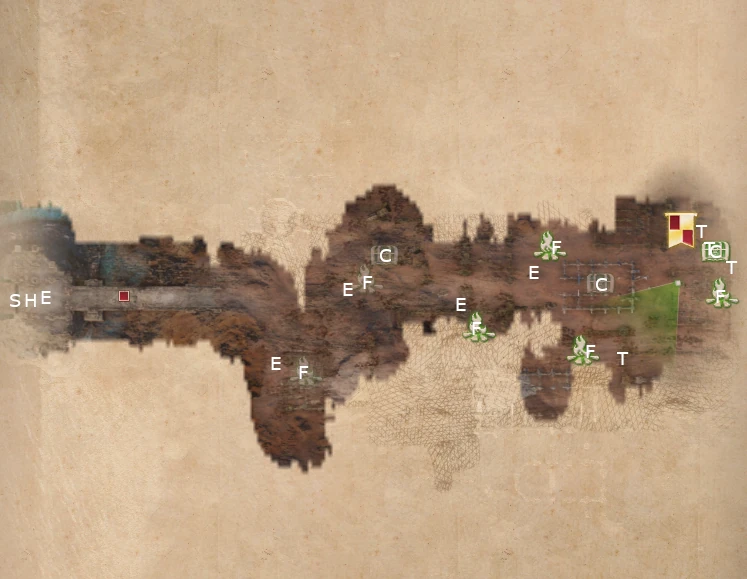
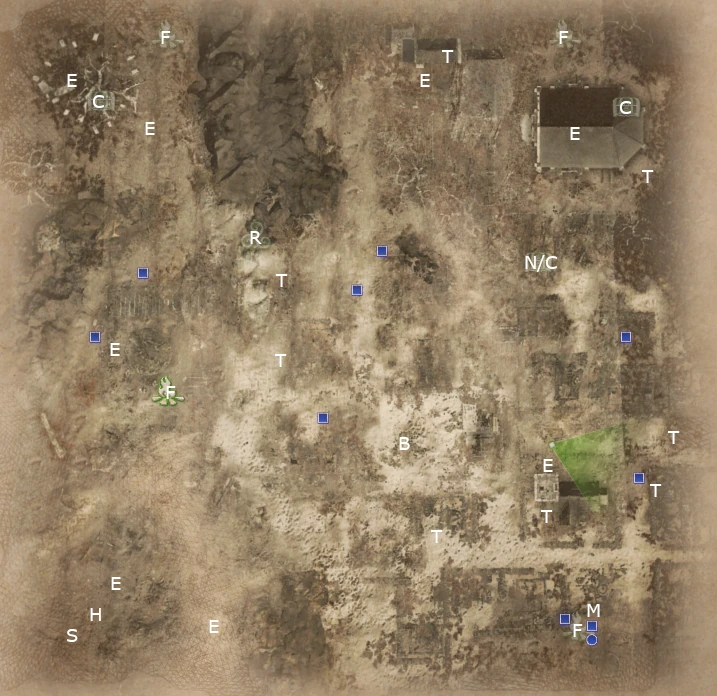
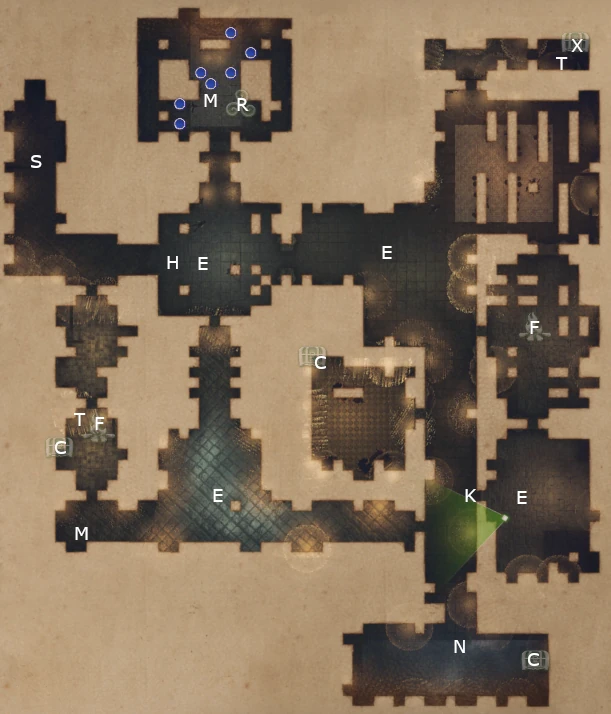
    I enjoy this tactical turn-based game, which seems to get little love on the web. So here is a list of screenshots of the game’s maps with labels showing where stuff is. Obviously- SPOILERS!

    These maps are as of v2.0.1. Note: boundaries of where your party can and cannot go are not always clear. By following the links at the bottom of the map, you could treat this as a minimally guided playthrough.

    I am actively working on game maps; currently just started Act 3. I’m adding about 1 map per day. I am also taking a second group through to tweak positions on the maps.

    KAKT: Camelot (prologue)

    KAKT: Among the Ruins

    KAKT: Bridge of Sorrow

    KAKT: Fire with Fire

    KAKT: The Tale of Sir Yvain

    KAKT: Treachery

    KAKT: Old Monastery

    KAKT: Forbidden Keep

    KAKT: The Cursed Ship

    KAKT: The Haunted Forest

    KAKT: Thistlewood Ruins

    KAKT: The Return

    KAKT: The Warrior Queen

    KAKT: Heart of Midnight

    KAKT: The Besieged Castle

    KAKT: The Knight of Thorns

    KAKT: The Sadness of Sir Tegyr

    KAKT: The Confrontation

    KAKT: The Curse of the Black Knight

    KAKT: The Curse of Sir Bors

    KAKT: The Excalibur

    KAKT: The Witch Queen

    KAKT: The Monastery of the Sacred Heart

    KAKT: The Horn of the Dauntless

    KAKT: The Vicious Tale of Sir Dagonet

    KAKT: The Fisher King

    KAKT: Into the Deepwood

    KAKT: Beyond the Veil

    KAKT: Cave of Shadows

    KAKT: The Wild Hunt

    KAKT: The Return of the King

  • KAKT: Camelot (prologue)

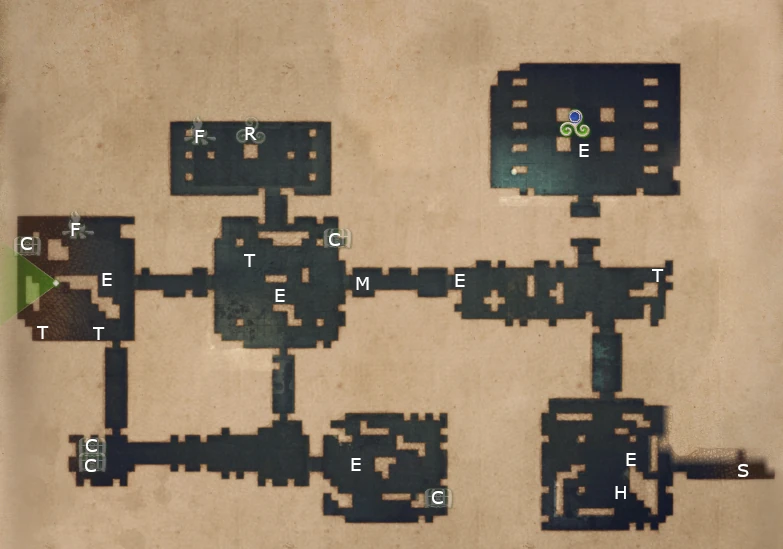
    Map of Camelot (prologue) mission from King Arthur Knight's Tale game.
    Screenshot by Mike Olgren from King Arthur Knight’s Tale Camelot (prologue) map.

    B = battle (between two other groups)
    C = chest
    E = encounter
    F = campfire
    H = hero
    J1 = jump to J2
    K = locked door (needs key)
    M = point of interest
    N = optional battle
    P = traps
    R = shrine
    S = start
    T = treasure pile
    X = hidden treasure

    Hero is Sir Kay, who joins.

    Return to King Arthur Knight’s Tale maps
  • Solasta: Crown of the Magister

    Platform used: PC

    Hours played: 300+

    Status: Finished main campaign

    Overall:

    Rating: 4.5 out of 5.


    OGR SCORE

    Dependence on reflexes

    5

    Gameplay complexity

    7

    Game mechanics

    7

    Stimulation

    8

    TOTAL

    27

    TL;DR: This game is a faithful adaptation of the D&D 5E rules. Character creation is super fun. Playing the four characters you’ve created generates the fun that the average story does not.

    Game type: Linear RPG with side quests; turn-based, isometric, grid-based combat.

    Story: Fairly straightforward “save the kingdom from the evil threat.” Some nuance with character interactions. Choices can lead to differences down the road. As in D&D, your characters have backgrounds. In Solasta, these backgrounds can lead to interesting (but usually short) side quests.

    Combat: Turn-based with D&D 5E options for spells, melee/ranged attacks, hiding, and unlike many games, an option to “ready” an attack. Stealth mechanic is decent and rewarding.

    Puzzles/difficulty: Preset difficulty levels (I play on Scavenger, just below the hardest, Cataclysm). Iron man mode and superb customization are available. For example, you have sliders for damage given and taken, enemy hit points/saving throw mods, and whether enemies will keep hitting you after you’re down (to kill you dead). The game has a moderate number of puzzles of average difficulty. I had to look up a few.

    Map/travel: Solasta has one of the most satisfying travel systems I have seen. When viewing a local map, you can click on a spot and your characters will move there. On the world map, when you travel place to place you have random encounters, consume food, and are able to spend the time crafting. True fast travel is limited to occasional “major gates” you must discover during your adventure.

    Crafting/city building: Crafting is typical collection of ingredients of varying rarity. Players’ ability to craft an item (weapon, potion, etc.) depends on their skills and abilities (e.g. proficiency in an herbalism kit and nature skill). No city/home base building.

    Mike’s favorite characteristic: I could (and have) spend hours upon hours creating characters and just take them through the first five levels. I highly enjoy character creation and early progression.

    Initial tips:

    • Jumping, flying, spider climbing, and/or using the Misty Step spell are fairly important to getting to loot.
    • Having a character with high Charisma is helpful for dialog.
    • Similarly, you’ll probably want a character who can pick locks. This means either a rogue class or the Lowlife background.
    • This is one of the few games where lighting makes a noticeable difference. You will attack at disadvantage against an unlit foe (unless you have Darkvision). “Forcing” the use of spells like Dancing Lights is actually cool.

    Offsite links:

    Solasta wiki

    Solasta game site